


Film Review: 2073 (2024): Asif Kapadia’s Film is Intriguing But its Structure Needed More Fleshing Out


2073 Review
2073 (2024) Film Review, a movie directed by Asif Kapadia, written by Tony Grisoni and Asif Kapadia and starring Samantha Morton, Naomie Ackie and Hector Hewer.
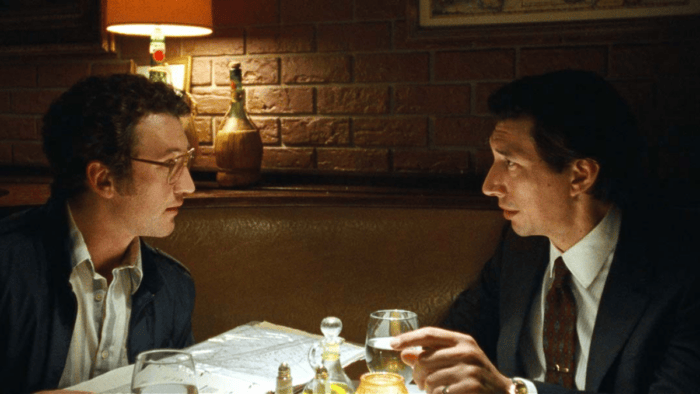
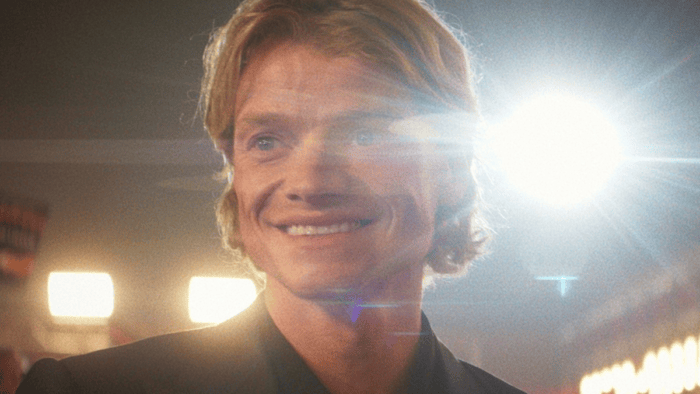
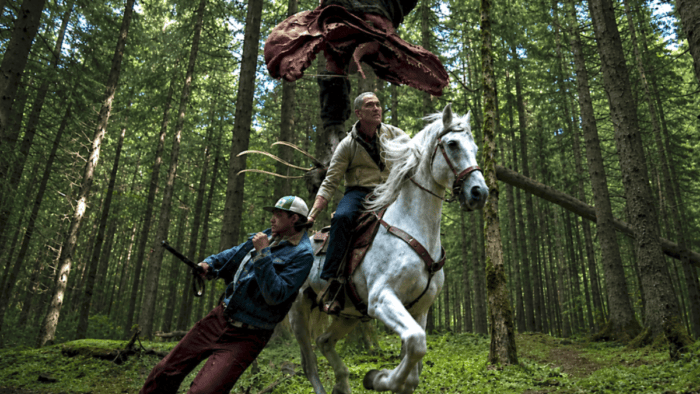
A movie like Asif Kapadia’s ambitious 2073 deserves a lot of credit for its very existence. A film that says we’re heading towards disaster unless we make changes right this very minute is noteworthy and to Kapadia’s credit, this film is not simply a political agenda. It aims for some kind of objectivity by showing how the tragedies that have occurred over the years have sort of brought the world to a place where salvation is almost an impossibility. This is not a real documentary though it’s being credited as being one on the internet. There’s real footage and terrifying realities on display but the film is more interested in a potential future (2073 is the year the movie proposes things will be at a tragic low) where people are living underground and barely existing as the world above them becomes a place of despair and disgust.
Artificial intelligence is what the film takes its biggest swing at and it’s a good thing to attack. Do we want computers writing our articles for us and dictating the way our opinions are swayed. Artificial intelligence is a real threat and the movie lays out the harsh frustrations surrounding its very existence. There are a lot of other themes here such as climate change and, also, the way journalists and their intents are perceived and reacted to in the world. That is another very valid section of the picture, to be certain, but the movie goes back and forth between a fake “reality” and current truths with unease and will make viewers feel uncomfortable which is definitely the point. I get it.
The movie does not gloss over the modern need for facial recognition and the fact that our privacy has been invaded, perhaps mostly because of 9/11. This picture shows clips regarding 9/11 but they are not fleshed out as an argument that could have worked in the film’s favor beyond a very quick section of the movie. If you go for a bathroom break for a couple minutes, you could miss some of the most important arguments the film tries to make. A better movie would have spent at least 20 minutes on each individual problem the picture addresses.
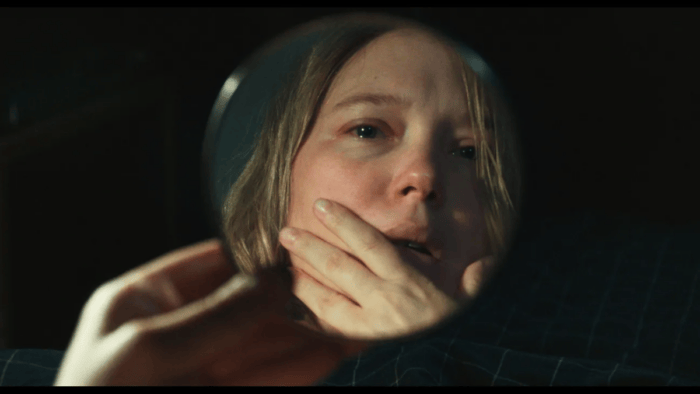
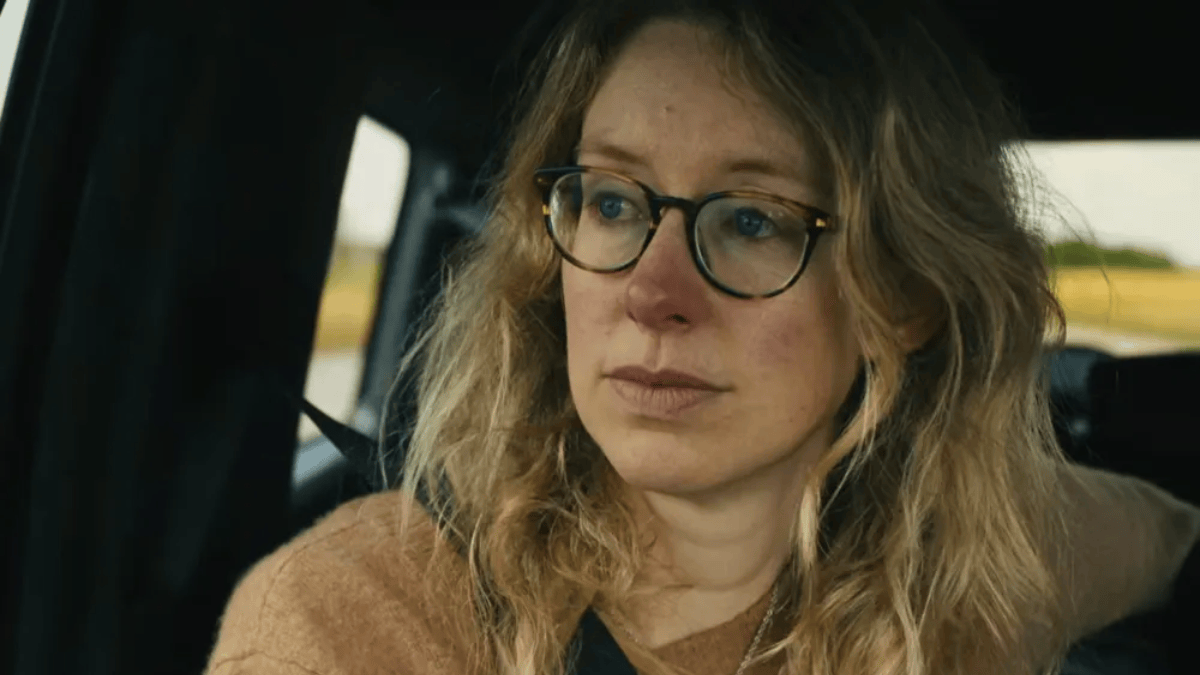
Samantha Morton is cast in the role of the movie’s surviving outcast who is living in 2073 and must deal with the consequences of not reacting sooner to the events that were going on in the world, including global warming and the fact that the rich seemed to dominate over the middle class which apparently led to a division of the classes that is ultimately wrenching in its projected excesses.


The movie uses time to devote to showing the potential results of the actions of Trump, Musk, and Bezos, you know, the usual suspects. Let’s not forget Mark Zuckerberg of Facebook fame. This is all important but to suggest a future as dark and gloomy as the one the movie projects is also a very large generalization of very crucial events that are currently happening as we speak. Wouldn’t it be better to zero in on the problems and have a character being interviewed about ways that these people could be stopped in their tracks? I am not suggesting a different movie but, perhaps, one with more detail and more substance could have been better.
Morton is not in too large a chunk of the movie but she nevertheless acquits herself admirably here despite her limited screen time. Overall, Kapadia is doing something fascinating, despite the film’s flaws, by trying to make the viewer aware of all the things that have been occurring right in front of us all as a population. I wanted to love the concept of 2073 but the movie just isn’t fully developed. Naomi Ackie also appears in a role that could have been fleshed out much more too. I think there were budgetary restraints that hurt the final quality of this film. However, stay tuned at the end credits to see where 2 and 2 don’t equal 4 anymore. It’s a clever after-credits scene in a movie that has a lot on its mind.
2073 is a film that I still respect. I didn’t like it that much. But, still. Though there was nothing new that it added to the table that people who read The New York Times on a regular basis aren’t at least partially aware of, it’s brave. At the same time, for less informed people, it could open the eyes of someone who has the power to change the future for the better. I doubt there will be drones that rule the world and that chaos and despair will triumph in 2073 but it’s an intriguing concept. In fact, the best way to be proactive about the things this movie wants the viewer to do is to see the movie and formulate an opinion of one’s own about it. If you think that’s a recommendation, then that’s an opinion that could indeed be argued on the basis of this review.
Rating: 6/10
Leave your thoughts on this 2073 review and the film below in the comments section. Readers seeking to support this type of content can visit our Patreon Page and become one of FilmBook’s patrons. Readers seeking more film reviews can visit our Movie Review Page, our Movie Review Twitter Page, and our Movie Review Facebook Page. Want up-to-the-minute notifications? FilmBook staff members publish articles by Email, Mobile App, Google News, Feedly, Twitter, Faceboo
Related Articles