
![Film Review: FJORD: A Powerful Examination of Family Values with Great Performances [NYFF 2026]](https://film-book.com/wp-content/uploads/2026/09/Sebastian-Stan-Renate-Reinsve-Fjord-01-1200x675-1.png)


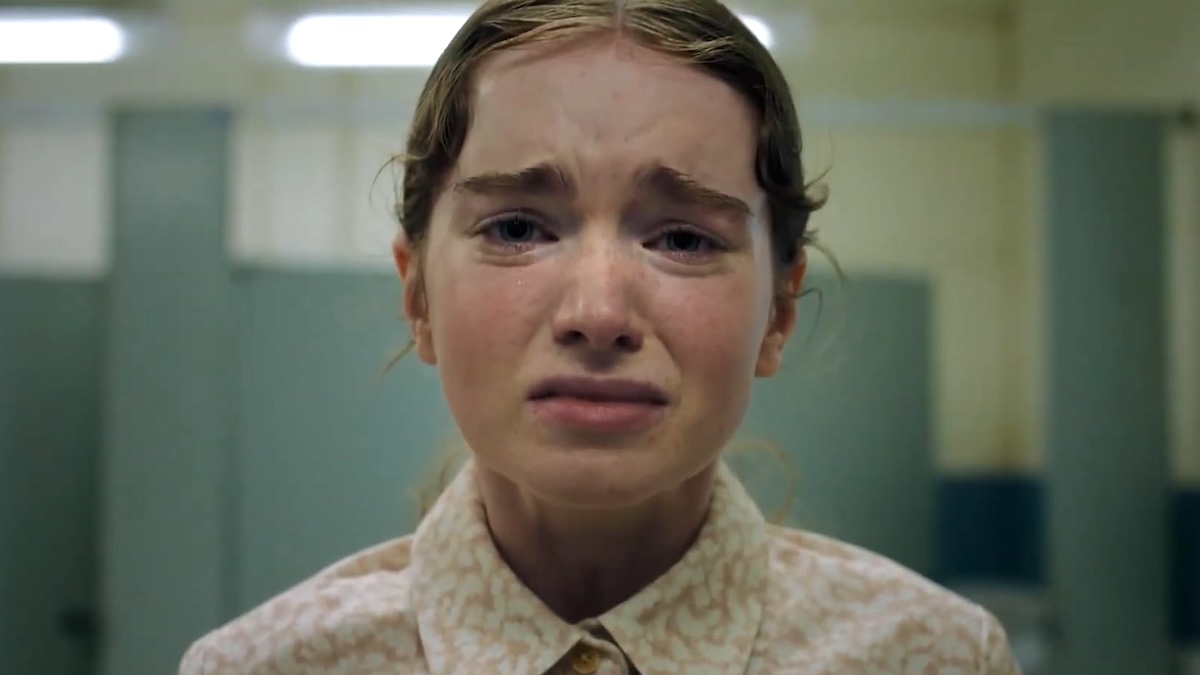

Film Review – I USED TO BE FUNNY (2023): Rachel Sennott Handles a Difficult Role with Sensitivity in a Thoughtful Drama

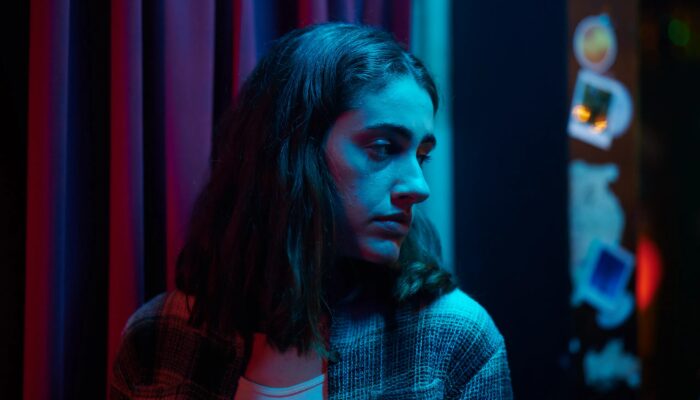
I Used to Be Funny Review
I Used to Be Funny (2023) Film Review, a movie written and directed by Ally Pankiw and starring Rachel Sennott, Olga Petsa, Jason Jones, Sabrina Jalees, Caleb Hearon, Ennis Esmer, Dani Kind, Dan Beirne, Miguel Rivas, Marvin Kaye, Paloma Nunez, Kathy Imrie, Matia Jackett, Daniel Woodrow and D.J. Mausner.
In its early stages, Ally Pankiw’s emotional drama, I Used to Be Funny, tells its moving story in such a way that it will adequately prepare the viewer for the events that are to come in the movie’s last half hour or so. There are a lot of heavy topics dealt with in I Used to Be Funny and the movie may have been a little hard to watch if not for the fine performance by Rachel Sennott. Since Sennott’s character in the film, Sam, has a relatable personality, Sennott’s turn in this new picture will be easily digestible to viewers. Anyone who has suffered from PTSD will relate to the movie’s themes and understand Sam’s challenges within the picture. Another type of film may have taken this character and intensified some of the dramatics but the movie beautifully balances comedy and drama.
Sam, a stand-up comic, was a nanny for a young girl who has gone missing named Brooke Renner (Olga Petsa). Due to her own personal conflicts, Sam finds it difficult to participate in the search for Brooke. The viewer won’t know why until about three quarters through the movie but some of the scenes hint at what has happened in subtle ways. Sam’s lack of a steady boyfriend feels suspect while other events that transpire will make the audience question what, exactly, occurred in Sam’s recent past.
Jason Jones portrays Cameron, Brooke’s dad. This role is a pivotal part of the movie and watching the character will slowly make you put the pieces of the puzzle together. Jones plays the role realistically and we start to understand that, although he is a father to Brooke, he doesn’t truly respect Sam. Another notable turn is that of Ennis Esmer who plays Noah, an old boyfriend of Sam’s who she cares about. However, conflicts arise that make it difficult for Sam to connect with a romantic partner at this particular time in her life.
Petsa and Sennott share some fine scenes together. Sennott has the ability to make the viewer laugh through the smart, casual conversations in the movie, some of which could have been improvised. Petsa’s Brooke challenges Sam to try to make her understand the consequences of the events which have occurred. Sam isn’t looking to hurt Brooke’s life in any way but she needs Brooke to understand that something had to be done which eventually comes between them as friends. Sennott and Petsa have one fine scene towards the end where both characters’ concerns come into view and we begin to understand the complexity of the unfortunate situation that has occurred.


I Used to Be Funny is an important film. A lot of what occurs in the picture is told out of chronological order so to make the movie flow more smoothly, the picture includes songs that move the action along and transition them quite well. The film bridges the age gap between the two central characters, Sam and Brooke, as the characters find common ground and the picture makes these characters both fascinating and realistic. Their bond is strong despite the events that threaten to tear it apart. Other smaller performances are on-the-nose too from the funny Caleb Hearon as a friend of Sam’s to the dramatic turn by Kathy Imrie as a judge.
Rachel Sennott is a rising star. Maybe she’s risen already. She was in Bottoms last year which I adored. She has a lot more great roles to come, though, if her work in this film is any indication. Her natural ability to carry a movie is very impressive as is her unique comic timing.
While the closing events of I Used to Be Funny may end up working out a little too conveniently, this is a movie that has a lot of important things to say. PTSD is a heavy topic that the film makes accessible to everyday viewers. Some of the characters may have been in a different place than they are at the end of a different type of script but the overall theme of Pankiw’s new movie is hope and, therefore, this movie could inspire those suffering from similar situations as those which are portrayed in the film. I Used to Be Funny ultimately inspires and entertains at the same time.
Rating: 7.5/10
Leave your thoughts on this I Used to Be Funny review and the film below in the comments section. Readers seeking to support this type of content can visit our Patreon Page and become one of FilmBook’s patrons. Readers seeking more film reviews can visit our Movie Review Page, our Movie Review Twitter Page, and our Movie Review Facebook Page. Want up-to-the-minute notifications? FilmBook staff members publish articles by Email, Mobile App, Google News, Feedly, Twitter, Faceboo
Related Articles